A Guide to the World of Mead
The Connoisseur’s Guide
The Art of Selection
The Story of a Single Drop
Choosing a mead is more than a decision to purchase a spirit – it is a search for the mood that will accompany your moment. For centuries, in Polish meaderies, time flowed differently, measured by the rhythm of fermentation and the patience of the masters.
At PONDO, we believe that understanding the soul of this draught allows you to draw what is most precious from it: authenticity and profound emotion.
The Varieties of Mead
A Lineage Defined by Ratio
Before mead reaches your glass, it travels a path defined by a mysterious, mathematical harmony. Traditional names, such as Quarter-mead or Half-mead, may sound austere, yet they hide a story of the union of intensity and proportion. Imagine crystalline water from the springs near Szczecin meeting liquid gold.
When there is significantly more water than honey, a light and crisp Quarter-mead is born – the perfect companion for summer afternoons on the terrace, when you seek something that only subtly brushes the palate. However, as these proportions begin to draw closer, we enter the world of Third-meads and Half-meads. This is where the true magic of PONDO happens. In these spirits, honey becomes the dominant narrator, creating a body that is denser, more velvety, and warming. The less water in this relationship, the more distinguished the drink becomes, requiring us to celebrate every sip longer.
The Varieties of Mead
The Art of Creation
The process of creating our meads is akin to writing a love letter to nature. It is not merely the mixing of ingredients. Everything begins with the preparation of the honey must – a slow union of honey and water at the perfect temperature, ensuring that the most healthful essences of the honey are never lost. Then, noble yeasts take center stage, working in the quiet of our meaderies’ fermentation tanks to transform sugar into noble spirits.
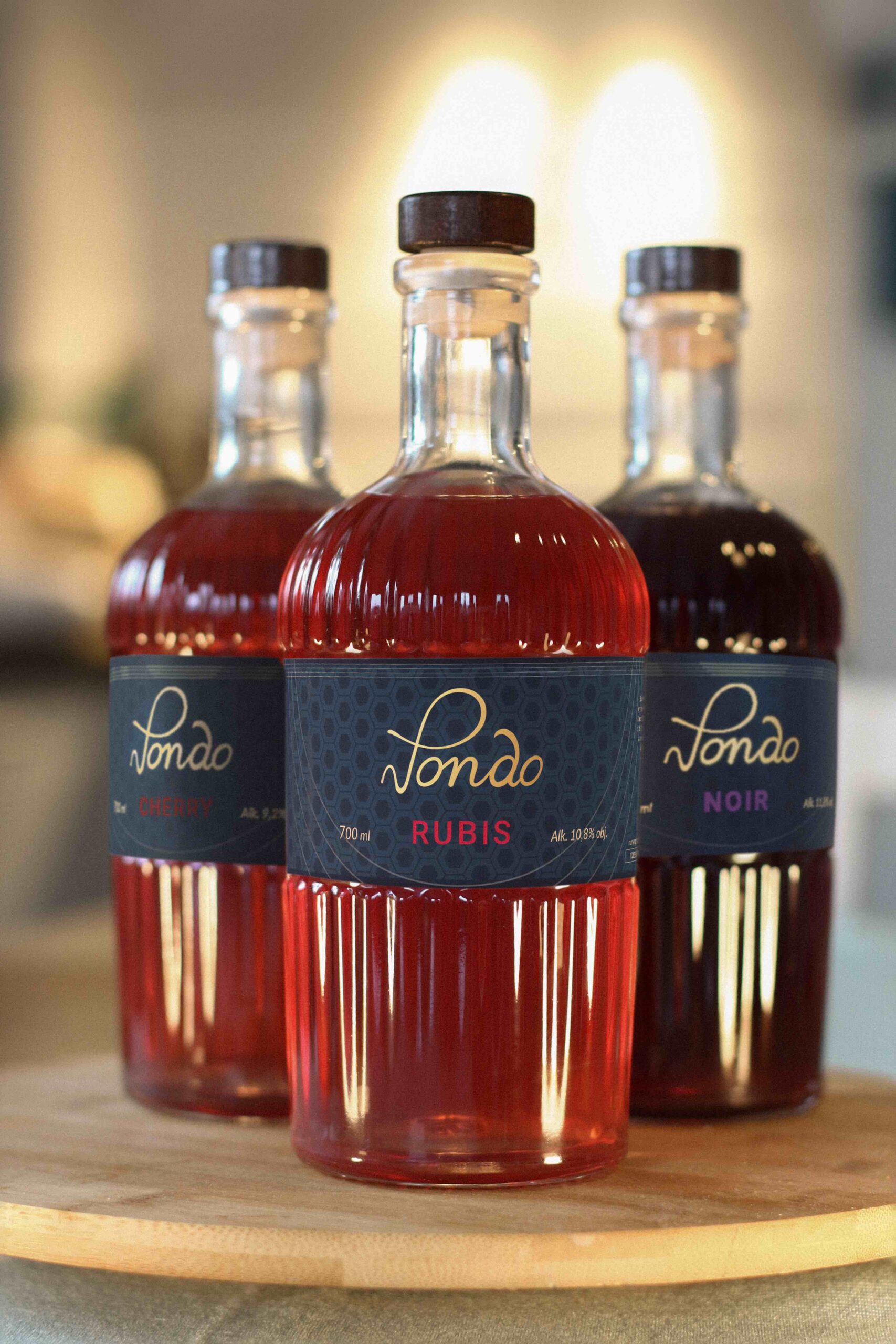
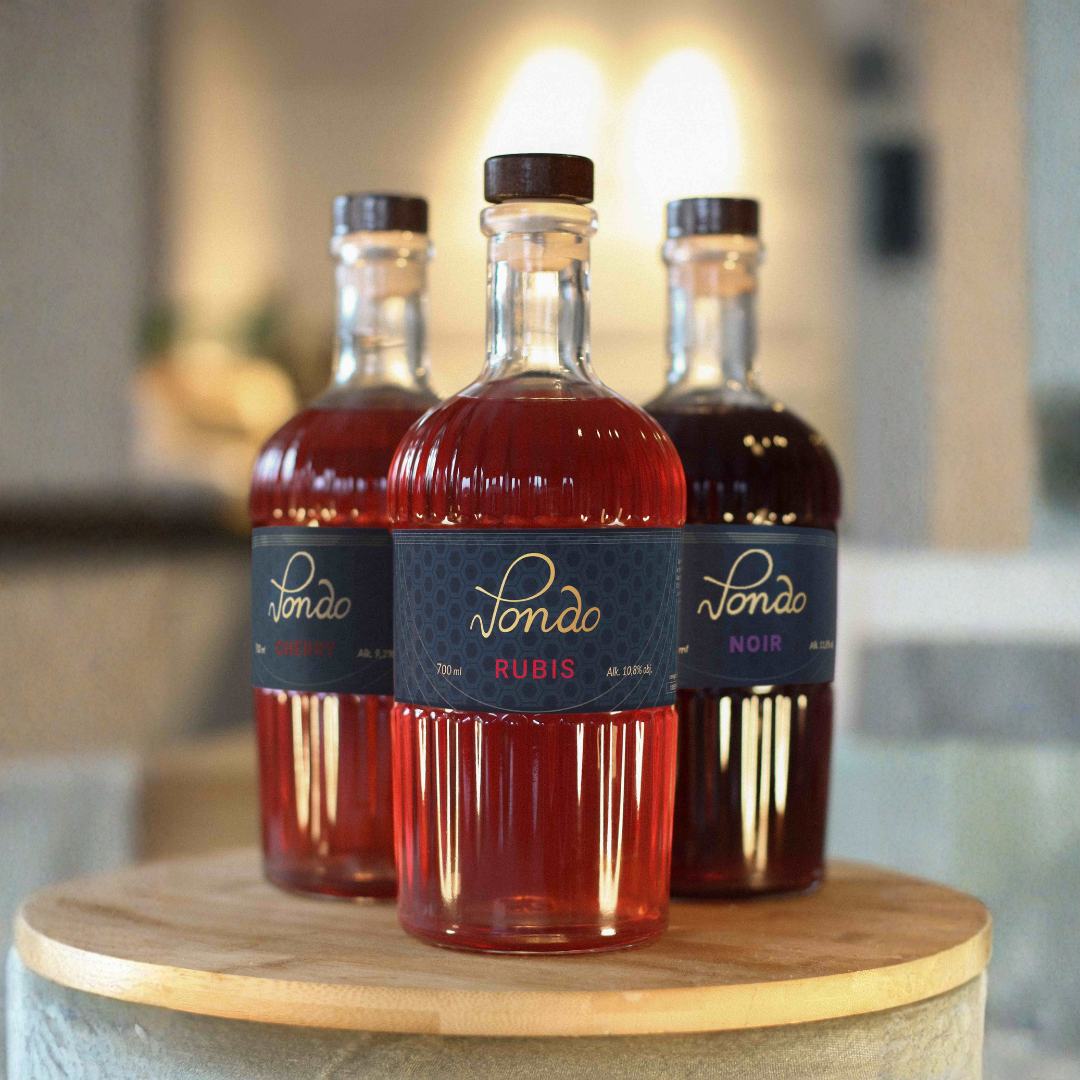
At Pondo, we go a step further by creating what are known as melomels. This is the moment where we invite fruit to join the fermenting honey – juicy cherries, tart blackcurrants, or exotic hibiscus. Here, fruit is not just an additive; it co-creates the draught, lending its color, acidity, and soul. The result is a modern interpretation – lighter and more elegant than the heavy meads found in ancient chronicles.
A Connoisseur’s Guide to Mead
What to Look For?
When searching for the perfect mead, do not be misled by loud labels – listen to your intuition and read the ingredients. True premium-class mead needs no enhancers. If you see nature-identical flavorings or caramel on the label, you know you are dealing with mass production that has lost touch with nature. A good mead should be pure – honey, water and fruit or fruit juice.
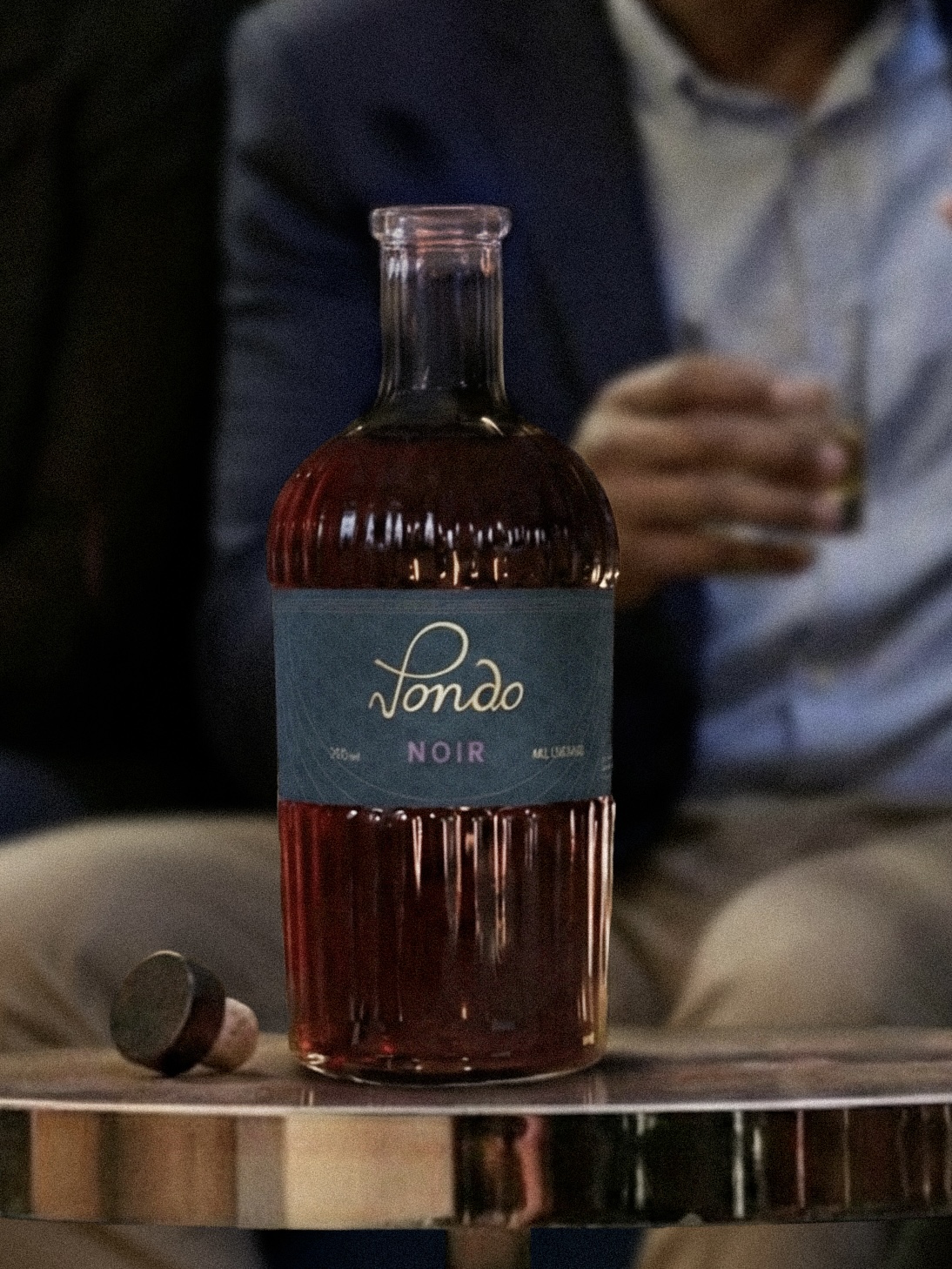
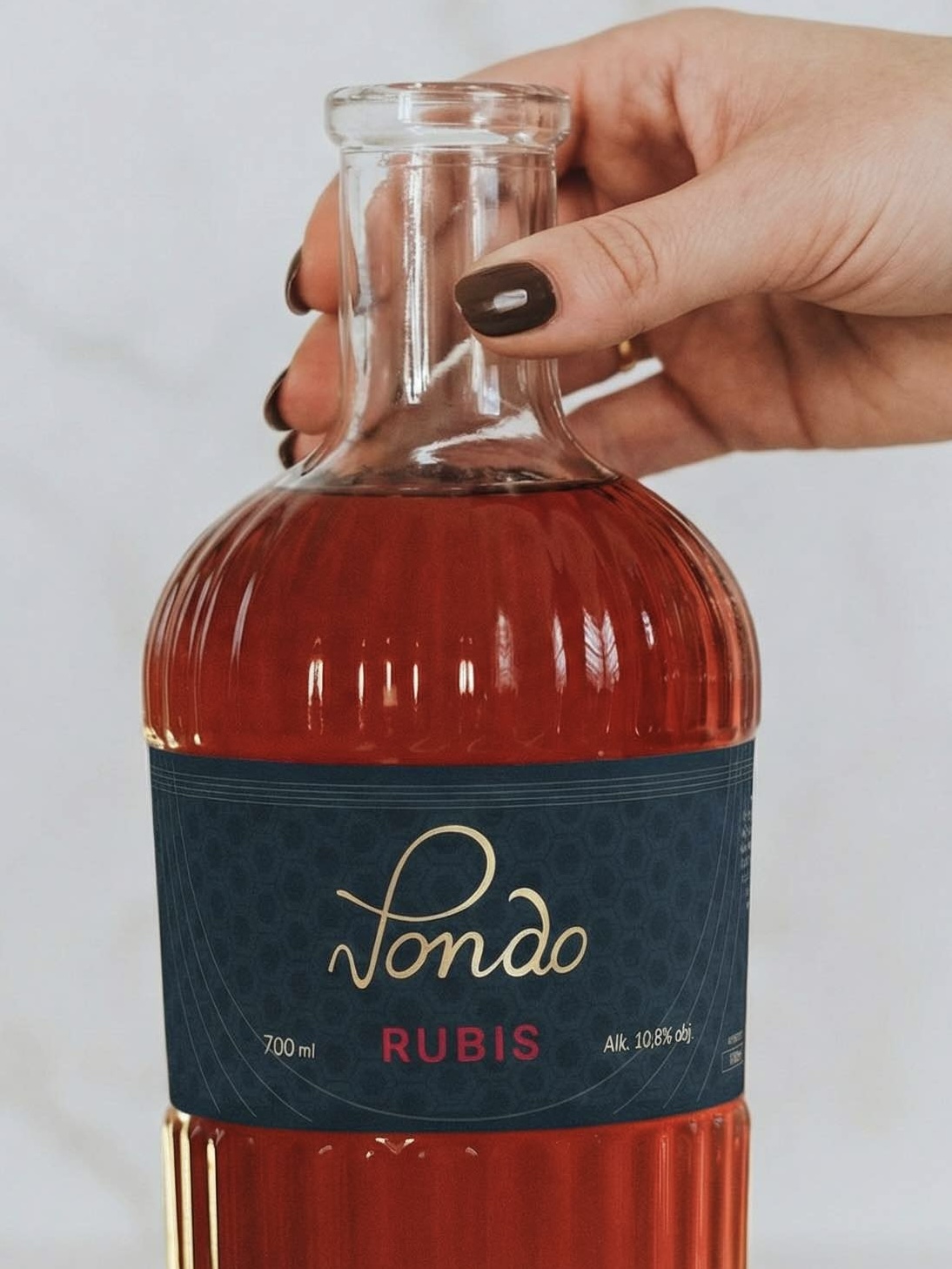
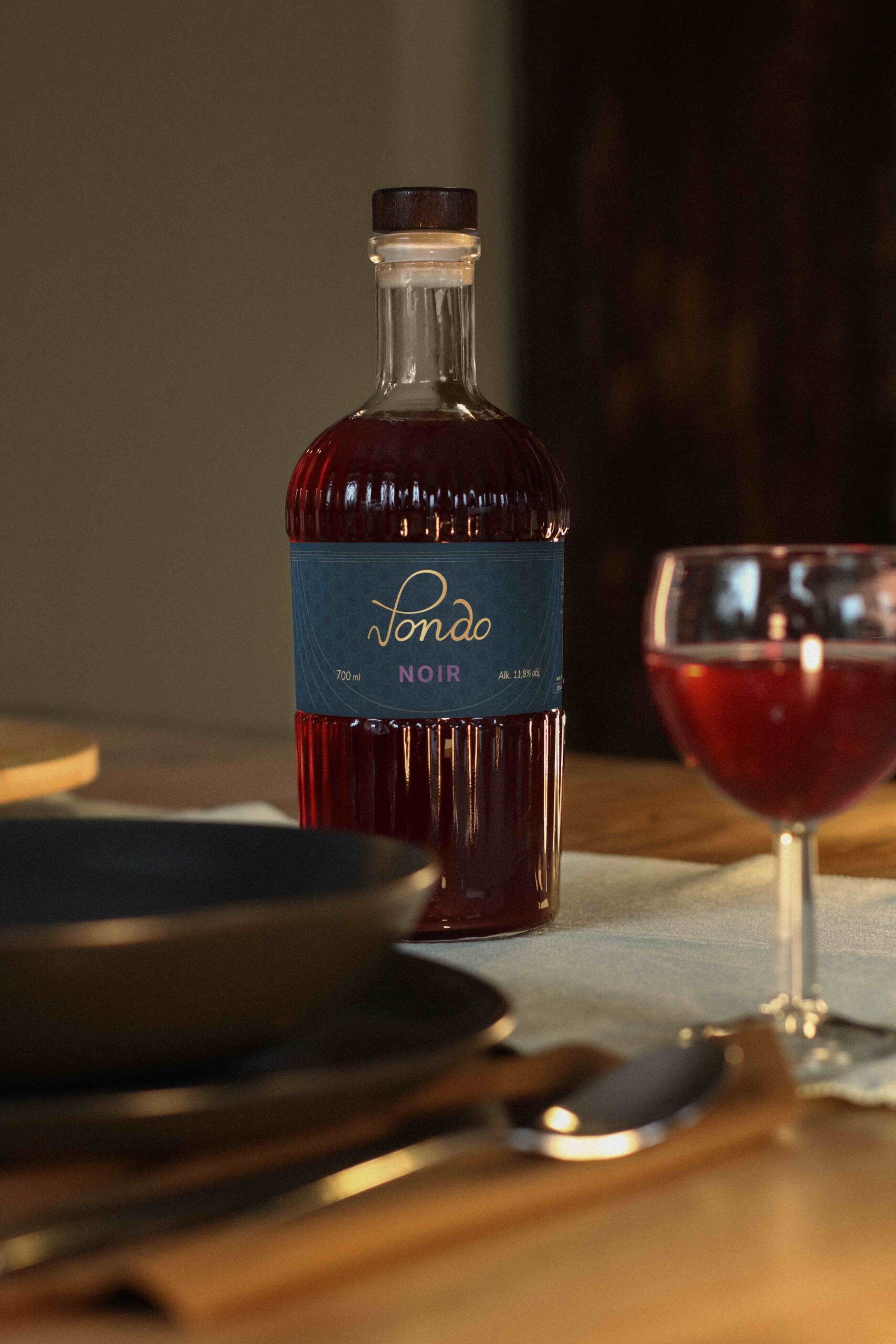
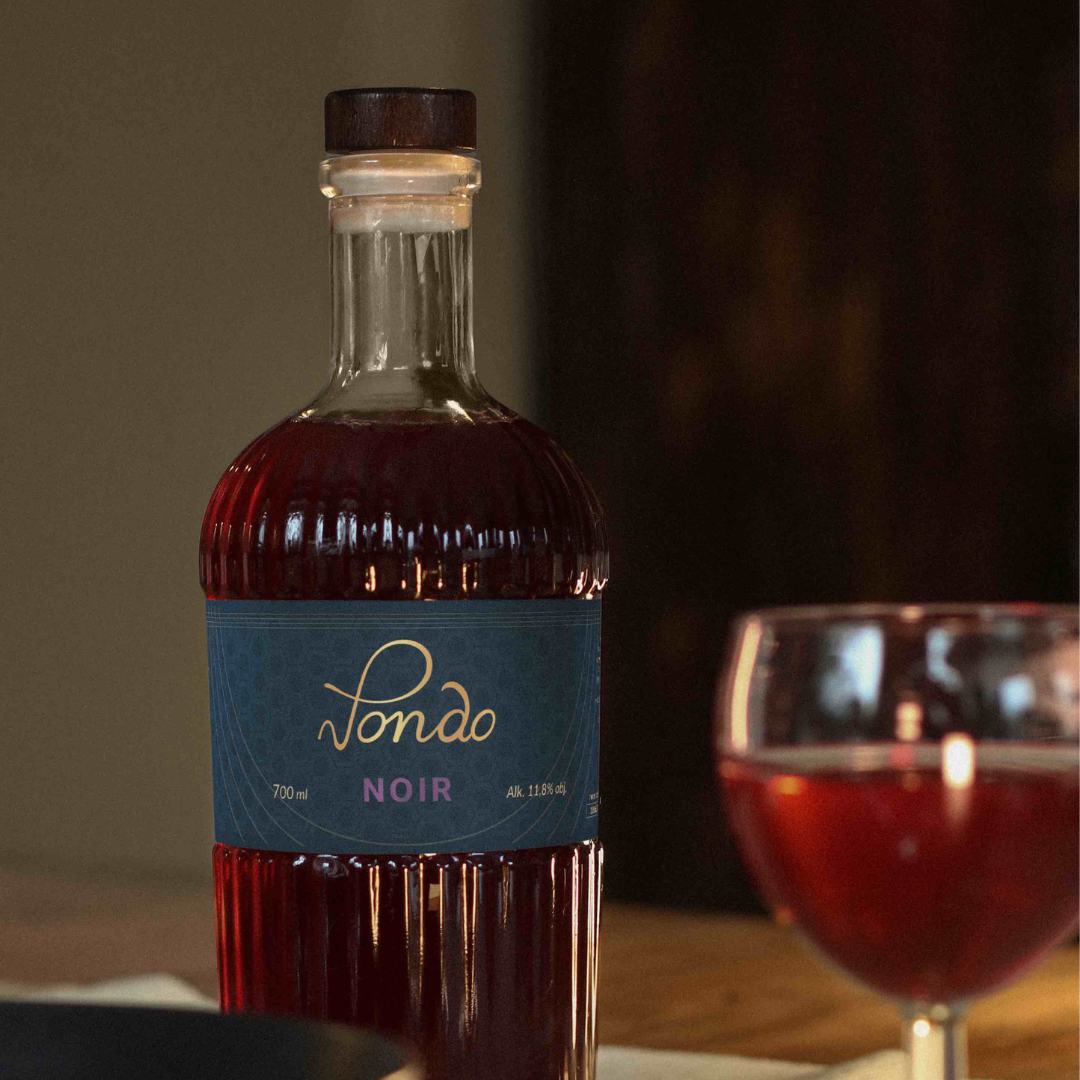
Pay attention to the balance. When choosing a draught for yourself, consider whether you seek a soothing sweetness for an evening with a book (here, the intense NOIR will excel) or perhaps a vivacious accent for a gathering with friends (where RUBIS takes the lead). We look for a counterpoint in mead – that delicate acidity that makes you immediately crave another sip after the first.
Choose with your heart, but drink with mindfulness. Mead is a spirit that dislikes haste. It has matured for months so that, for one fleeting moment, it can tell you the story of Szczecin’s fields and gardens. Let it resonate in your glass.